The National Society of High School Scholars (NSHSS) is one of the largest scholarship-granting honor societies in the United States, distributing more than $2.5 million in scholarships annually to high-achieving high school and college students. Unlike single one-off scholarships, NSHSS runs a year-round rotation of scholarship programs across academics, leadership, entrepreneurship, STEM, literature, music, medicine, sustainability, and the visual arts - meaning there's almost always something open to apply for.
This guide breaks down everything US students and parents need to know: eligibility, award amounts, how the application process works, deadlines, and answers to the most common questions.
Key takeaway: NSHSS scholarships are rolling and year-round, not tied to a single annual deadline. New programs open and close throughout the year, so the best strategy is to check back regularly rather than wait for one fixed date.
What Is NSHSS?
NSHSS is a U.S.-based academic honor society headquartered in Atlanta, Georgia, that recognizes high-achieving students across more than 26,000 high schools in over 170 countries. Membership is by invitation or nomination and is built around academic excellence, though scholarships are open more broadly depending on the specific program's eligibility rules.
Beyond scholarships, NSHSS offers leadership programs, mentoring, career resources, academic tours, and networking opportunities connecting members with a global community of scholars.
Who Can Apply for NSHSS Scholarships?
Eligibility depends on the individual scholarship program - NSHSS runs dozens of different awards, and each has its own criteria. That said, a few general rules apply across the board:
- Open to both high school and college students, depending on the specific scholarship
- Some scholarships are members-only; others are open to non-members as well
- International students are welcome to apply, but each scholarship's eligibility rules must be checked individually since not all are open internationally
- No student may win more than one NSHSS scholarship per calendar year
- Most NSHSS scholarships are merit-based, though some prioritize specific criteria like financial need, first-generation status, or field of study
Read - 10 Best American Scholarships Programs For Undergraduate, Masters, PhD (Complete Guide)
Types of NSHSS Scholarships
NSHSS scholarships span a wide range of student profiles and interests. Categories include:
- Academic Excellence scholarships for strong overall GPA and coursework rigor
- STEM scholarships for students in science, technology, engineering, and math fields
- Leadership scholarships for demonstrated leadership roles and initiative
- Entrepreneurship scholarships for students building businesses or ventures
- Literature, Music, and Visual Arts scholarships for creative and artistic achievement
- Medicine and Health Sciences scholarships for students pursuing medical or health-related careers
- Sustainability scholarships for environmental and sustainability-focused work
- Diversity and First-Generation scholarships supporting underrepresented and first-generation college students
Highlighted Scholarships for Underrepresented Students
- NSHSS First Generation Scholarship - Open to first-generation college students at all levels; award amount: $1,000
- Claes Nobel Future Female Leader Scholarship - Open to high school female seniors; award amount: $1,000
- NSHSS Diversity Scholarship - Open to NSHSS members in their sophomore, junior, or senior year of high school; award amount: $2,000
Related Article - University of Houston Scholarships in US | Multiple Scholarships
Benefits of NSHSS Scholarships
- Year-round opportunities - no single missed deadline shuts you out for the year
- Wide subject coverage - from STEM to entrepreneurship to the arts, there's likely a category that fits your strengths
- Funds can go to any accredited university, domestic or international
- No cap on how many scholarships you can apply for, only on how many you can win per calendar year
- Scholarship recognition can strengthen a college application or resume, separate from the financial award itself
- Access to a global scholar network and additional NSHSS programs (mentoring, career resources, academic tours)
Eligibility & Application Requirements Summary
- Transcript: Either official or unofficial - only one is needed
- Resume: List academic standing, awards, leadership roles, extracurriculars, and community service; use weighted GPA if enrolled in honors/AP/IB, unweighted GPA otherwise
- Educator Recommendation: One is required (up to two may be requested); must be submitted through the NSHSS portal before the deadline
- Headshot: Required for potential use in press releases, the website, social media, and the NSHSS Scholar's Journal
- Essay: Must follow the specified word/character count exactly
Read - List of US Scholarships Programs For Undergraduate, Masters, PhD (Complete Guide)
Deadlines: How NSHSS Scholarship Timing Works
Unlike scholarships with one fixed annual date, NSHSS scholarships are offered on a rolling, year-round basis - programs open and close throughout the year, and new ones are added regularly. This makes the process largely evergreen, but a few timing rules matter:
- Applications are due by 11:59 PM EST on the listed deadline date for each individual scholarship
- Applicants are typically notified of results 6-8 weeks after a scholarship's deadline closes
- Because timing varies by program, the best approach is to check the scholarships page frequently rather than plan around a single date
- Apply as early as you're eligible - students are encouraged to start during freshman or sophomore year of high school to maximize the number of cycles they can apply to over time
How Scholarship Funds Are Disbursed
This is an important detail many applicants miss:
- If you're a high school senior or college student, your award is sent directly to your chosen college or university upon your graduation and enrollment.
- If you're a high school freshman, sophomore, or junior, funds are sent directly to you after you complete and submit a W9 tax form.
- Scholarship funds can be applied to any accredited college or university, domestic or international - there's no requirement to attend a specific school.
- If you're taking a gap year, you must notify the scholarship administrator and provide an enrollment timeline.
Related Article - Duke University scholarships for undergraduate and graduate students
How to Apply for an NSHSS Scholarship
Step 1: Explore Open Scholarships
Browse the current list of open and upcoming scholarship programs - new ones rotate in and out throughout the year.
Step 2: Review Eligibility Requirements
Check whether the scholarship is members-only, what academic year it targets, and any subject-specific requirements.
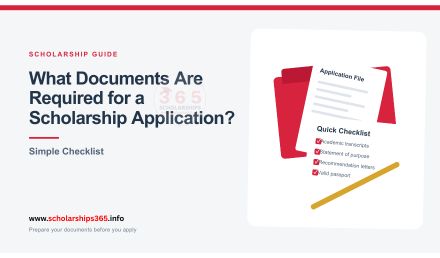
Step 3: Prepare Required Documents
Most applications require:
- An official or unofficial transcript
- A resume / or CV (How to Write a CVV
- A professional headshot
- 1-2 educator recommendation letters
- A personal essay
Step 4: Write Your Personal Essay
Stay within the specified word count and proofread carefully - grammar and spelling issues can hurt a competitive application.
Step 5: Secure Recommendation Letters
Request recommendations from educators at least three weeks before the deadline. You can request up to two, but only one is required per application. Choose a recommender relevant to the scholarship (e.g., a science teacher for a STEM award).
Step 6: Submit Online
All applications go through the NSHSS SurveyMonkey Apply portal. Once submitted, you cannot edit your answers - so review everything carefully first. You'll receive a confirmation email upon successful submission.
Frequently Asked Questions (FAQ)
Q1: When should I apply for NSHSS scholarships?
NSHSS scholarships run year-round, so there's no single application season. Apply for any program you're eligible for as soon as it opens to maximize your chances.
Q2: How many NSHSS scholarships can I apply for?
There's no limit on how many scholarships you can apply for. However, NSHSS does not award more than one scholarship to the same student in a given calendar year.
Q3: Are international students eligible for NSHSS scholarships?
Yes, international students are welcome to apply, but each scholarship has its own eligibility rules, so it's important to check the specific requirements for each program.
Q4: Do I need to be an NSHSS member to apply?
It depends on the scholarship - some are open only to members, while others are open to non-members as well.
Q5: How are scholarship funds paid out?
For high school seniors and college students, funds go directly to the student's chosen university upon enrollment. For high school freshmen, sophomores, or juniors, funds are sent directly to the student after a W9 form is completed.
Q6: What documents do I need to apply?
Typically a transcript, resume, professional headshot, at least one educator recommendation, and a personal essay meeting the specified word count.
Q7: How long does it take to hear back after applying?
Most applicants are notified of results roughly 6-8 weeks after a scholarship's deadline closes, via the email used to create their NSHSS account.
Q8: Can NSHSS scholarship funds be used at any university?
Yes - funds can be applied to any accredited college or university, both in the US and internationally.
Q9: What is the easiest type of NSHSS scholarship to win?
Ease varies by applicant, but categories like no-essay scholarships, local/regional awards, and short-response scholarships are generally considered more accessible than highly competitive academic awards.
Official Application Links
- NSHSS Scholarships - Official Page (Browse Open Scholarships)
- NSHSS Member Dashboard (Apply for Scholarships)
- NSHSS Scholarship Tips & Advice
- NSHSS Current Scholarship Winners
- NSHSS Scholarship FAQ (Official)
Scholarship names, eligibility criteria, and award amounts are set by NSHSS and its partners and are subject to change as programs rotate throughout the year. Always verify current details on the official NSHSS scholarships page above before applying, and update the "Last Updated" date at the top of this article whenever you refresh the figures.



![Study in Poland Without IELTS on Scholarship [Fully Funded]](https://scholarships365.info/images/images-data/study-in-poland-without-ielts-on-scholarships-fully-funded.jpg)